What Is GOB LED Display Protection Technology?
When specifying an LED display for an outdoor stadium, a rental stage, or a high-traffic transit hub, the conversation often focuses on pixel pitch, brightness, and price. Yet the single most consequential factor for long-term total cost of ownership is rarely discussed: how the LED module is protected from the environment. This is where GOB LED display protection technology changes the equation.
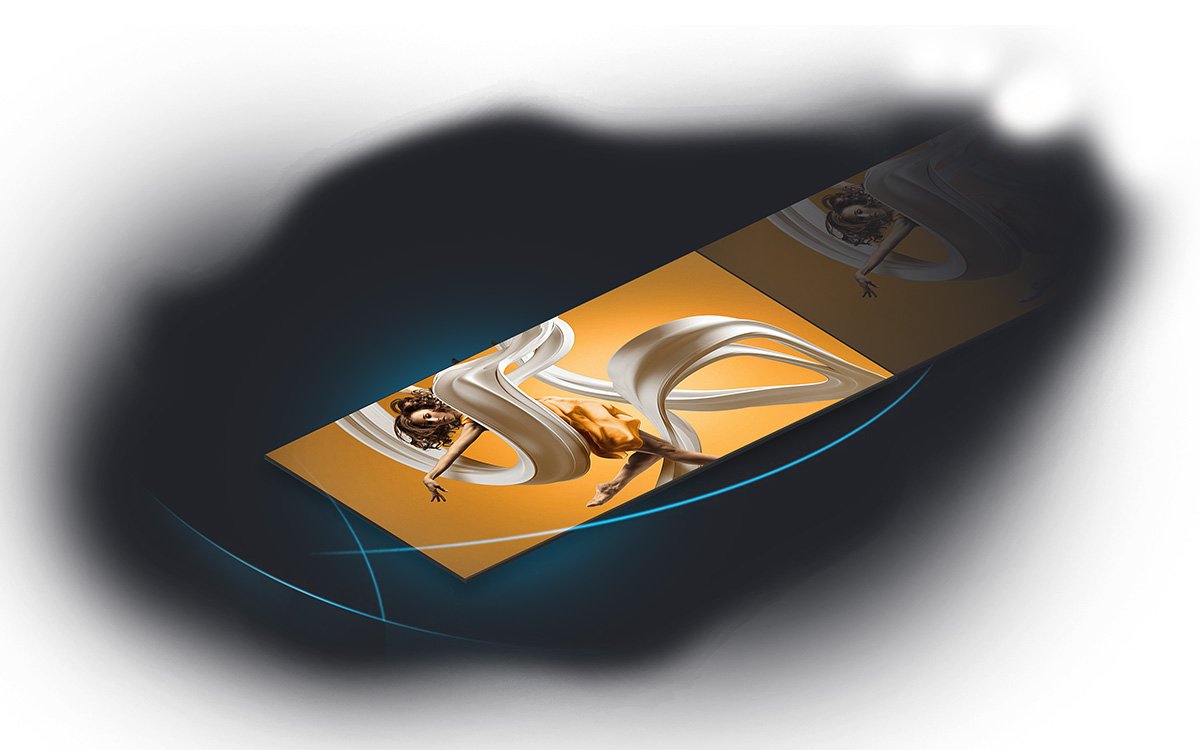
GOB stands for Glue On Board. It is not a replacement for SMD packaging but an enhancement applied after the SMD lamp beads are soldered onto the PCB. A layer of transparent epoxy resin is poured over the entire module surface, filling the gaps between beads and the board to form a continuous, seamless protective coating. This Glue-On-Board LED module protection approach is what distinguishes GOB from conventional SMD in demanding environments.
The result is an SMD module with an armored surface. The epoxy shield protects against moisture, dust, impact, static, and even salt fog—sometimes referred to as “10-proof” protection. Laboratory drop tests show glue-on-board LED module screens can survive 1.5-meter drops and offer roughly 8× the impact resistance of unprotected SMD. This is the core of GOB encapsulation outdoor LED reliability.
For a deeper comparison of how GOB stacks up against COB and standard SMD, our existing guide on GOB vs COB vs SMD LED Display covers the technical trade-offs in detail.
Why Outdoor and Rental Applications Demand GOB LED Display Protection
Moisture and Humidity: The Silent Killer of Outdoor Screens
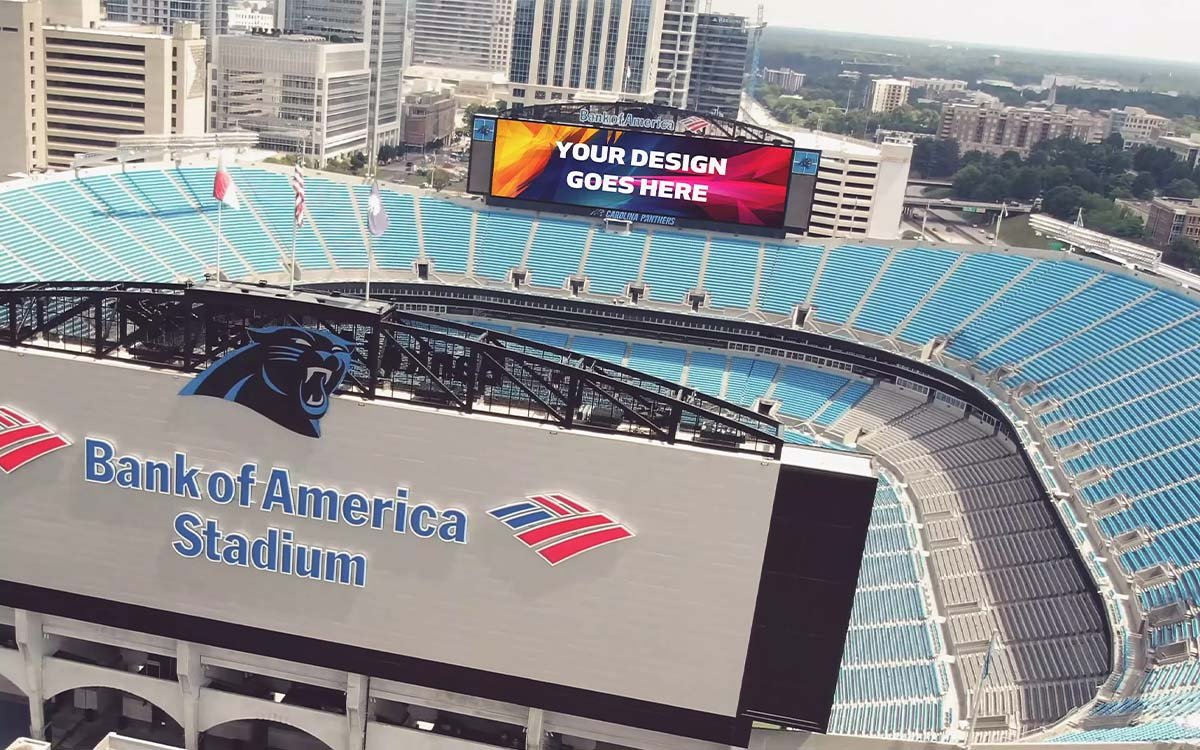
Outdoor LED displays in stadiums, along highways, and at transit hubs face constant humidity, rain, and temperature swings. Without encapsulation, moisture ingress can corrode solder joints and trigger dead pixels. The GOB resin layer creates a sealed barrier that prevents water vapor from reaching the LED and PCB interface. This is particularly critical for Stadium Billboard installations where screens operate year-round in exposed conditions.
Impact Resistance for Rental and Touring
Rental LED screens are packed, transported, and reassembled dozens of times per year. Standard SMD lamp beads are exposed and attached via solder joints; a single impact during load-in can knock beads loose and create dead pixels. The epoxy armor of a GOB LED display Technology absorbs impact energy and keeps the LED package intact. For rental staging companies, this directly reduces module swap-outs and downtime—the core value of rental LED screen impact resistance.
Cleaning and Maintenance Efficiency
A sealed GOB surface can be wiped clean with a soft cloth—no risk of dislodging lamp beads or pushing dust into gaps. In contrast, unprotected SMD modules require careful cleaning to avoid damage. For screens mounted in hard-to-reach locations, this ease of maintenance translates into lower service costs over the display’s lifecycle. When evaluating GOB vs SMD maintenance cost, the savings compound over years of operation.
GOB and Camera-Facing Applications: Reducing Moiré
One underappreciated benefit of GOB encapsulation is optical. The resin diffuses light output, turning the point-source appearance of SMD pixels into a softer, more uniform surface emission. This reduces moiré patterns—a critical advantage for broadcast studios, virtual production stages, and any application where LED screens appear on camera.
If your project involves on-camera LED volumes, our Virtual Production solution page details how GOB-treated panels improve in-camera visual quality.
When GOB Is Not the Right Choice
Transparency is essential. GOB encapsulation adds cost compared to standard SMD and is generally not recommended for ultra-fine pitches below P0.9 due to resin coating reliability limits. Repair is also more complex—replacing a single dead lamp bead requires removing cured resin, so module-level replacement is the practical service approach.
For budget-sensitive indoor installations with controlled environments and larger pixel pitches (P2.5 and above), standard SMD remains a mature, cost-effective option. Our All In One display line, for example, uses SMD packaging optimized for indoor commercial environments where impact and moisture exposure are minimal.
Total Cost of Ownership: The GOB Calculation
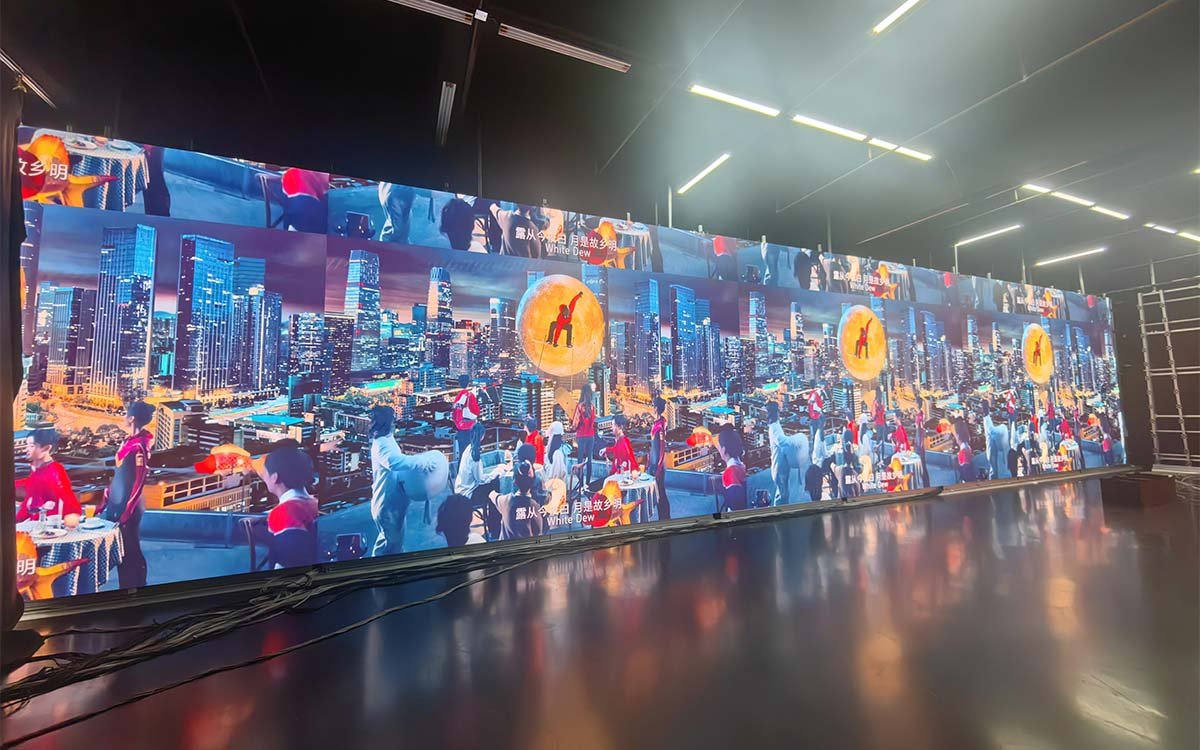
A GOB module carries a higher unit price than standard SMD. But the relevant comparison is not sticker price—it is cost per year of reliable operation. Consider an outdoor billboard in a humid climate: an unprotected SMD screen may require lamp bead replacement or module swaps within 2–3 years due to moisture-related failures. A GOB screen eliminates that failure mode entirely.
Industry forecasts point to continued growth in high-value LED applications where reliability and longevity outweigh upfront cost. For outdoor advertising and sports venue operators, the GOB premium pays back through reduced service calls, fewer spare modules, and longer replacement cycles.
Specifying GOB for Your Next Project
When evaluating a Glue-On-Board LED module display supplier, ask for the following:
- Epoxy resin specification: Confirm the material system and curing process, not just “GOB” as a marketing term.
- Impact test data: Request drop-test results and impact resistance comparisons versus SMD.
- Maintenance protocol: Clarify whether the supplier supports module-level replacement or individual lamp repair.
- Warranty terms specific to GOB: Ensure the warranty covers encapsulation integrity, not just LED chips.
For a full specification breakdown, download our GOB LED Display Technical Datasheet or contact our engineering team to discuss your application.
Conclusion
The LED display industry offers no shortage of pixel pitch options and brightness claims. But for any screen that will face weather, impact, or cleaning challenges, the packaging and protection layer matters more than a millimeter of pitch difference. GOB LED display technology delivers a sealed, impact-resistant, camera-friendly surface that extends operational lifespan and reduces the hidden costs of maintenance. For outdoor and rental applications, it is not a luxury—it is the rational specification.