How Much Does an LED Billboard Cost? 2026 Pricing Guide
An LED billboard cost is one of the highest-ROI advertising investments a business can make — but the upfront cost varies dramatically. A small retail sign can cost under $5,000, while a highway digital billboard can exceed $500,000. In this 2026 pricing guide, we break down every cost driver so you can budget accurately and avoid hidden surprises.
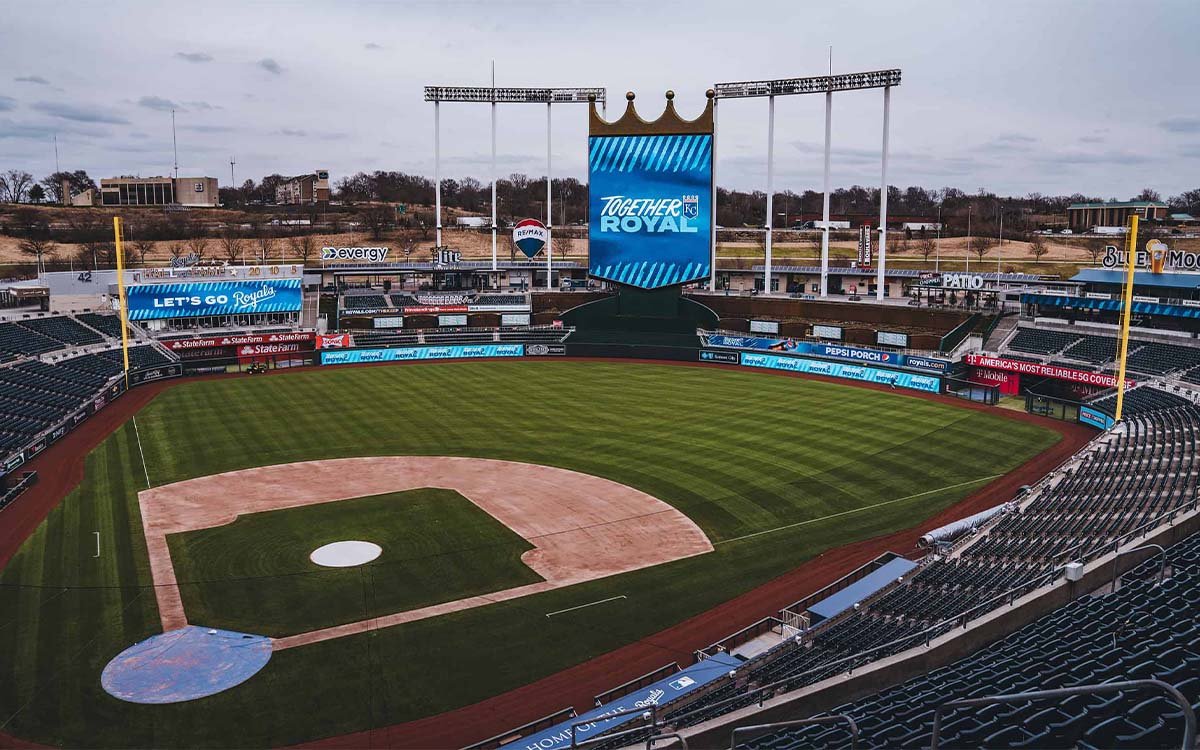
Figure 1: Large outdoor LED billboard at night — maximizing visibility with high brightness
1. The Short Answer: LED Billboard Cost Price Ranges in 2026
Before diving into details, here is what you can expect to pay for a complete, calculate LED billboard cost to installation:
| Application | Size (Typical) | Pixel Pitch | Screen Cost | Total Project Cost |
|---|---|---|---|---|
| Retail Storefront | 1–3 sqm | P2.5 – P4 | $1,500 – $5,000 | $3,000 – $8,000 |
| Shopping Mall Interior | 5–15 sqm | P2.5 – P3.9 | $5,000 – $25,000 | $10,000 – $40,000 |
| Building Facade | 20–50 sqm | P4 – P6.67 | $15,000 – $60,000 | $30,000 – $100,000 |
| Highway Billboard | 50–100 sqm | P6.67 – P10 | $30,000 – $120,000 | $80,000 – $250,000 |
| Stadium Perimeter | 100–300 m linear | P6.67 – P10 | $50,000 – $200,000 | $100,000 – $400,000 |
| Times Square Style | 100+ sqm | P4 – P6.67 | $100,000 – $400,000 | $300,000 – $800,000+ |
Total project cost includes screen, control system, structure, installation, and commissioning. We explain each component below.
2. Six Factors That Drive LED Billboard Cost
Factor 1: Pixel Pitch (The #1 Price Driver)
Pixel pitch — the distance between adjacent LED beads, measured in millimeters — is the single biggest determinant of price. A smaller pitch means higher resolution, more LEDs per square meter, and exponentially higher cost.
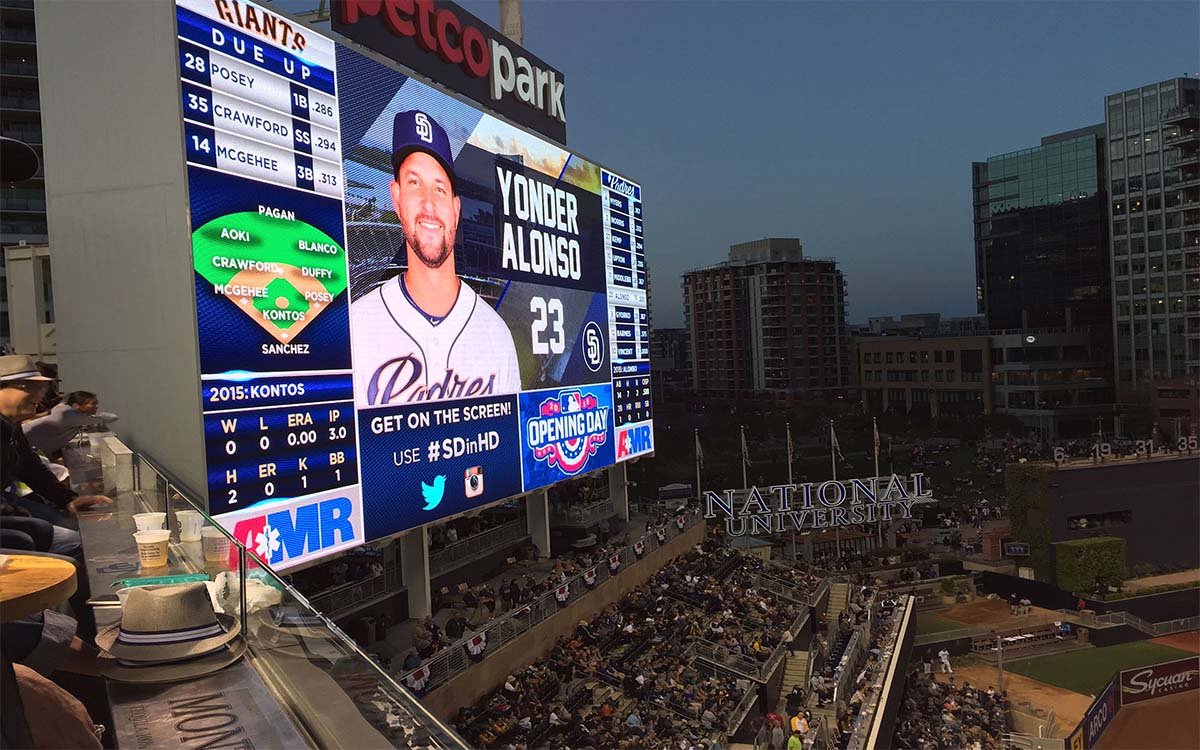
Figure 2: Pixel pitch comparison — smaller pitch = higher resolution = higher cost
| Pixel Pitch | Resolution per Sqm | Best Viewing Distance | Price per Sqm (2026) |
|---|---|---|---|
| P1.2 – P1.8 | 694,444 – 400,000 pixels | 1 – 3 meters | $3,500 – $6,000 |
| P2.5 – P3.9 | 160,000 – 65,536 pixels | 3 – 6 meters | $1,600 – $2,800 |
| P4 – P6.67 | 62,500 – 22,500 pixels | 6 – 15 meters | $1600 – $2,500 |
| P8 – P10 | 15,625 – 10,000 pixels | 15 – 30+ meters | $1300 – $2300 |
Rule of thumb: For every halving of pixel pitch, the price per square meter roughly doubles. A stadium billboard viewed from 50 meters away does not need P2.5 — P8 or P10 delivers the same perceived clarity at one-fifth the cost.
Factor 2: Screen Size and Aspect Ratio
LED billboard cost is priced by the square meter, but aspect ratio affects material waste and structural complexity. Standard 16:9 ratios are most cost-effective because manufacturers optimize production for this format. Custom ratios (1:3 vertical towers, 360° cylindrical wraps) increase cost by 15–30% due to non-standard module cutting and frame engineering.
Factor 3: Encapsulation Technology (GOB vs SMD)
As we detailed in our GOB vs COB vs SMD comparison, the encapsulation method affects both upfront and lifetime cost:
- SMD (Standard): Lowest upfront cost ($1300–$1800/sqm for outdoor), but higher maintenance frequency. Lamp beads can detach during transport or cleaning.
- GOB (Glue on Board): 10–20% premium over SMD, but reduces field failure rate by 90%. For billboards in harsh environments (coastal, high wind, dust), GOB pays for itself within 2–3 years through reduced service calls.
Factor 4: Brightness and Power Requirements
Outdoor billboards facing direct sunlight require brightness levels of 5,000–10,000 nits, while indoor displays need only 800–1,500 nits. Higher brightness means:
- More powerful LED chips (premium grade)
- Larger power supplies and thicker copper PCBs
- Higher electricity consumption ($200–$800/month for a 50 sqm highway billboard)
Energy-efficient designs using common-cathode technology can reduce power draw by 30–40%, adding $5–$10/sqm to the screen cost but saving thousands in electricity over 5 years.
Factor 5: Control System and Software
The “brain” of the billboard includes the receiving card, sending card, and content management software:
- Basic synchronous system: $500–$1,500. Plays content from a connected PC. Suitable for fixed advertisements.
- Cloud-based CMS: $1,500–$4,000. Remote scheduling, real-time updates, multi-screen management. Essential for advertising networks.
- 4K/8K processing: $3,000–$10,000. Required for ultra-high-resolution creative content on large formats.
Factor 6: Installation and Structure
This is where many buyers underestimate costs. The LED screen is only 40–60% of the total project budget.
| Cost Component | Typical Range | Notes |
|---|---|---|
| Steel Structure | $80 – $250/sqm of screen | Wall-mount cheapest; cantilever poles most expensive |
| Foundation / Concrete | $2,000 – $15,000 | Depends on soil and wind load requirements |
| Electrical Hookup | $1,500 – $8,000 | Distance from grid, transformer upgrades |
| Installation Labor | $2,000 – $10,000 | Crane rental, rigging, calibration |
| Permits & Engineering | $500 – $5,000 | Structural sign-off, electrical inspection |
3. Hidden Costs Most Buyers Forget
Beyond the invoice for the screen itself, budget for these ongoing expenses:
- Content creation: $500–$2,000 per 30-second animation. Static images are free but generate 60% less engagement than motion content.
- Maintenance contract: $1,000–$5,000/year depending on size and accessibility. Includes quarterly cleaning, module replacement, and firmware updates.
- Insurance: 0.5–1.5% of asset value annually. Required for most commercial installations.
- Internet connectivity: $50–$200/month for 4G/5G or fiber connection to enable remote content updates.
- Depreciation reserve: LED screens depreciate over 8–10 years. Set aside 10% of screen cost annually for eventual replacement.
4. How to Reduce LED Billboard Cost by 20–30%
Figure 3: Five strategies to reduce LED billboard cost by 20–30%
Tip 1: Right-Size Your Pixel Pitch
Do not over-specify resolution. Use this formula: Minimum viewing distance (meters) = Pixel pitch (mm) × 1,000. A P10 screen looks perfect from 10+ meters. Installing P4 at that distance wastes 70% of your budget with zero visual benefit.
Tip 2: Buy Direct from Manufacturer
Resellers and local integrators typically mark up factory prices by 40–100%. Working directly with a GOB LED display manufacturer like us eliminates middleman margins and gives you direct access to engineering support.
Tip 3: Standardize Module Sizes
Custom cabinet dimensions require new tooling and longer lead times (4–6 weeks vs. 2 weeks for standard sizes). Stick to 500×500mm or 500×1000mm modules whenever possible.
Tip 4: Bundle Installation with Purchase
Manufacturers who offer turnkey installation (screen + structure + install) often discount the package by 10–15% compared to buying components separately.
Tip 5: Choose GOB for High-Traffic Locations
The 10–20% upfront premium of GOB encapsulation is recovered through reduced maintenance. For billboards in locations where physical access is expensive (highways, rooftops), GOB is the lowest total-cost-of-ownership option.
5. ROI: When Does an LED Billboard cost Pay for Itself?
For advertising network operators, the math is straightforward:
- A 50 sqm highway billboard in a major city can command $3,000–$8,000/month in ad revenue.
- At $5,000/month, a $150,000 total investment pays back in 30 months.
- Over a 10-year lifespan, gross revenue exceeds $600,000 — a 4× return.
For retail and corporate use, ROI is harder to quantify but equally real:
- Stores with digital signage report 20–30% increases in foot traffic.
- Restaurants using menu boards see 15% higher average order values.
- Corporate headquarters use lobby displays for branding — the value is in perception, not direct revenue.
6. Getting an Accurate Quote
Online price lists are starting points, not contracts. To receive an accurate, binding quotation, provide your manufacturer with:
- Exact dimensions (width × height in meters or millimeters)
- Installation environment (indoor, outdoor, coastal, high altitude)
- Minimum and maximum viewing distances
- Content type (static images, video, live data feeds)
- Structural details (wall-mounted, freestanding pole, building facade)
- Electrical availability (voltage, amperage, distance from panel)
- Local regulations (brightness limits, permit requirements, wind load codes)
With this information, a professional manufacturer can deliver a quote within 24 hours that includes screen, control system, structure, shipping, and installation — with no hidden surprises.
Get Your Custom Digital LED Billboard Quote
Send us your project specifications and receive a detailed quotation within 24 hours. We will recommend the optimal pixel pitch, brightness level, and structural configuration for your specific location and budget.
Request a QuoteFrequently Asked Questions
How long does an outdoor LED billboard last?
High-quality Stadium LED billboard displays last 80,000–100,000 hours (9–11 years at full brightness, 24/7 operation). Brightness degrades to approximately 70% of original output after this period. With typical operation of 12–16 hours/day, real-world lifespan extends to 12–15 years.
Can I finance an LED billboard cost instead of paying upfront?
Yes. Many manufacturers and third-party lenders offer equipment financing at 6–12% APR over 3–5 years. For advertising operators, revenue-based financing is also available — lenders take a percentage of ad revenue until the equipment is paid off.
What is the warranty period for stadium LED billboard displays?
Industry standard is 2–3 years for the screen and 1 year for power supplies and control systems. Reputable manufacturers offer extended warranties up to 5 years for an additional 8–12% of screen cost. GOB-encapsulated modules often carry longer warranties due to lower failure rates.
How much does an LED billboard cost to run?
A 50 sqm outdoor P8 billboard consumes approximately 5–8 kW at full brightness. At $0.12/kWh and 12 hours/day operation, monthly electricity cost is $220–$350. Indoor displays at lower brightness use 60–70% less power.
Is it cheaper to repair or replace a damaged LED module?
Individual module replacement costs $80–$300 depending on pitch and size. For billboards over 3 years old, check if replacement modules are still in production — LED technology evolves rapidly, and older module formats may be discontinued. Keep 5–10% spare modules in inventory.
Related Articles:
→ GOB vs COB vs SMD LED Display: Which Technology Should You Choose?
→ How to Calculate LED Display Size for Your Venue
→ LED Display Installation Guide: Step-by-Step for Beginners