LED display buying guide - comprehensive resource for purchase decisions
📘 Buyer Guide

LED Display Buying Guide

Your comprehensive resource for selecting the perfect LED display solution. From fine pitch and pixel pitch to brightness, refresh rate, and installation — we cover every essential factor to help you make an informed, confident purchase decision.

8+ Product Categories
12+ Technical Specs
6+ Use Cases
5 min Quick Read
Backed by Industry Expertise
LED Display Buying Guide

Buying Guide – Selection Framework

Making the right LED display investment requires evaluating six critical dimensions. From pixel pitch to total cost of ownership — this LED display buying guide page helps you make an informed, confident purchase decision.

Define your LED display application requirements
01

Define Your Application

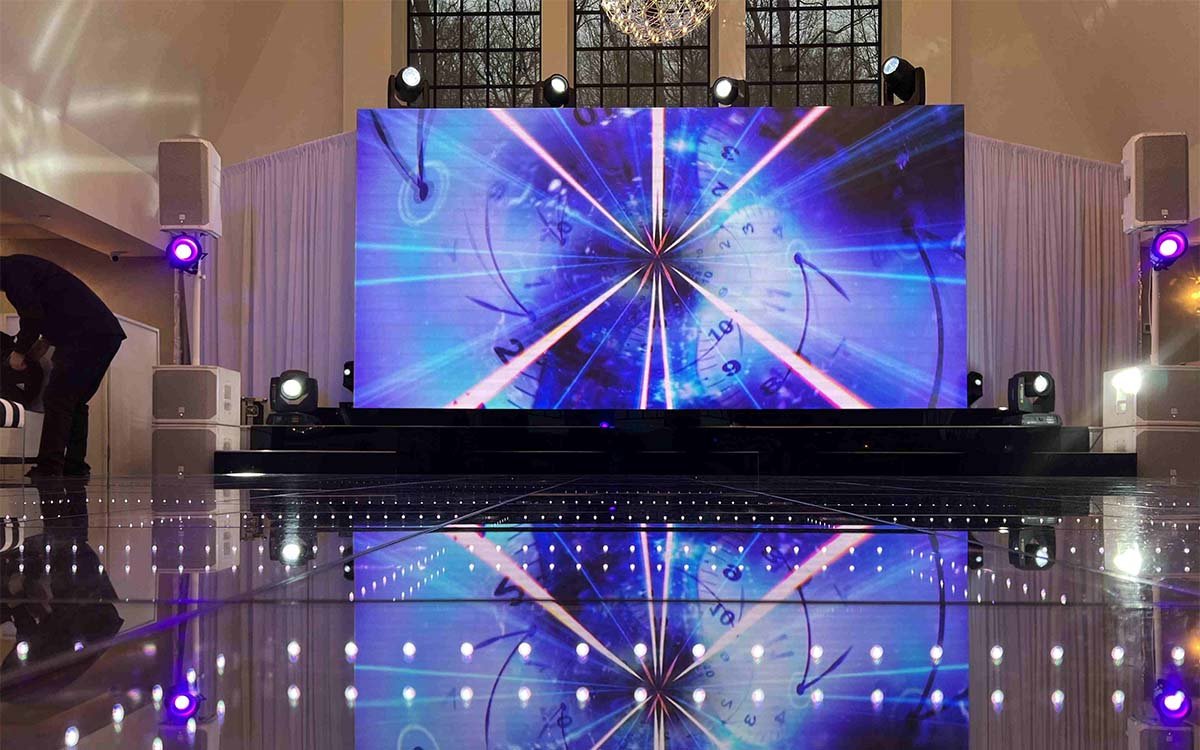
Start by identifying where and how your LED display will be used. Indoor control rooms demand fine pitch for close viewing; outdoor billboards require high brightness; retail stores need slim profiles with high-impact visuals. Your application dictates every subsequent specification.
Indoor / Outdoor Use Case First Environment Matters
Pixel pitch and resolution comparison
02

Pixel Pitch & Resolution

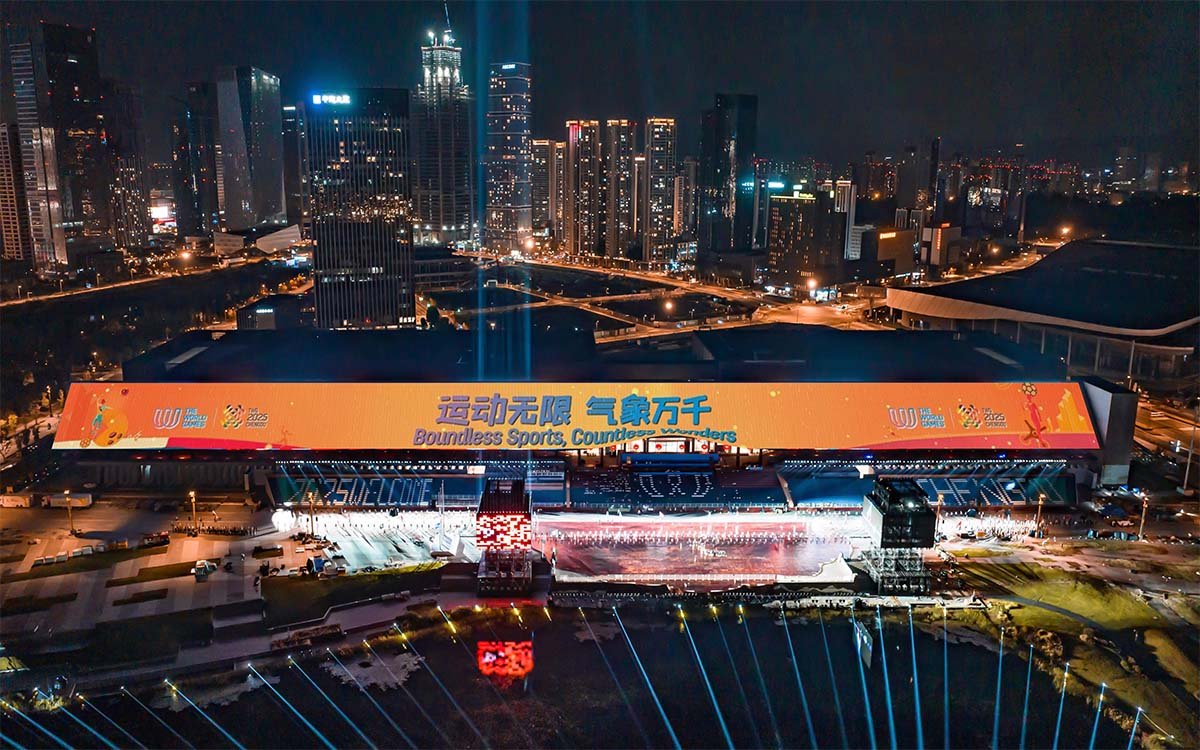
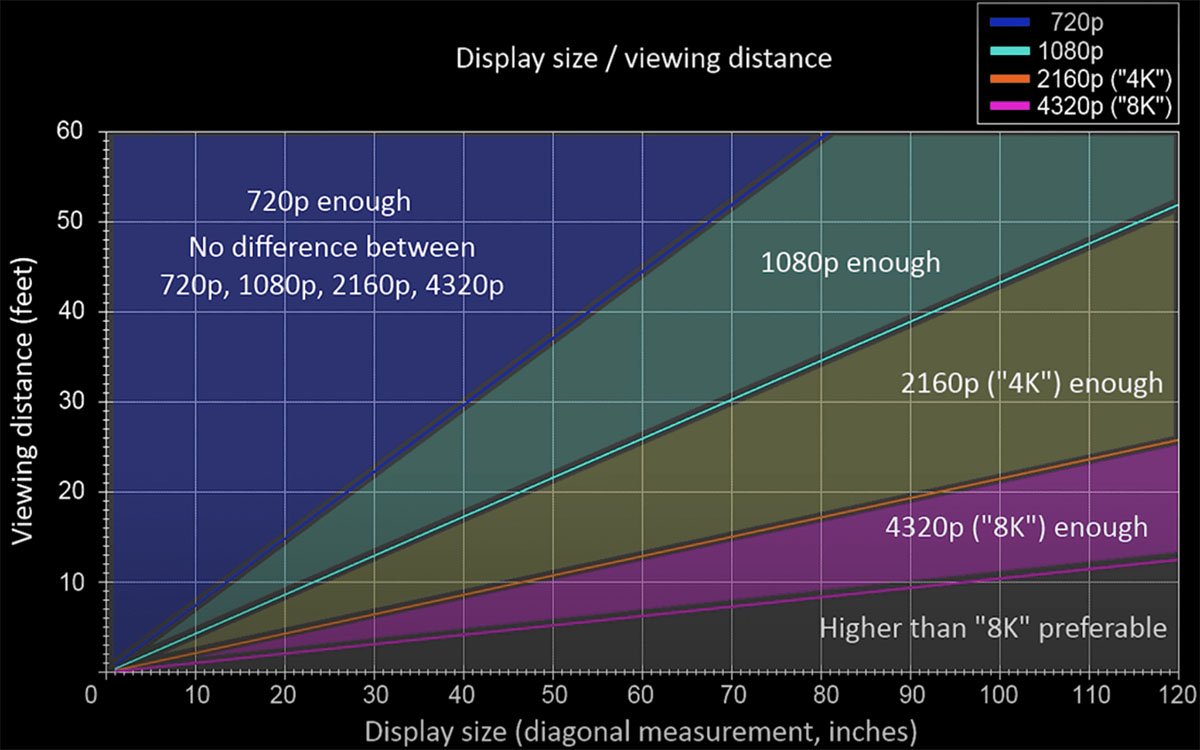
Pixel pitch (mm) determines the ideal viewing distance and perceived resolution. For every 1 meter of viewing distance, add 1mm of pixel pitch — a P1.2 display is optimal at 1.2 meters, P6 at 6 meters. Choose higher resolution for content-rich applications and lower for large-format advertising viewed from a distance.
P0.9–P1.8 P2.5–P4 P6–P10
Brightness requirements for different environments
03

Brightness & Ambient Light

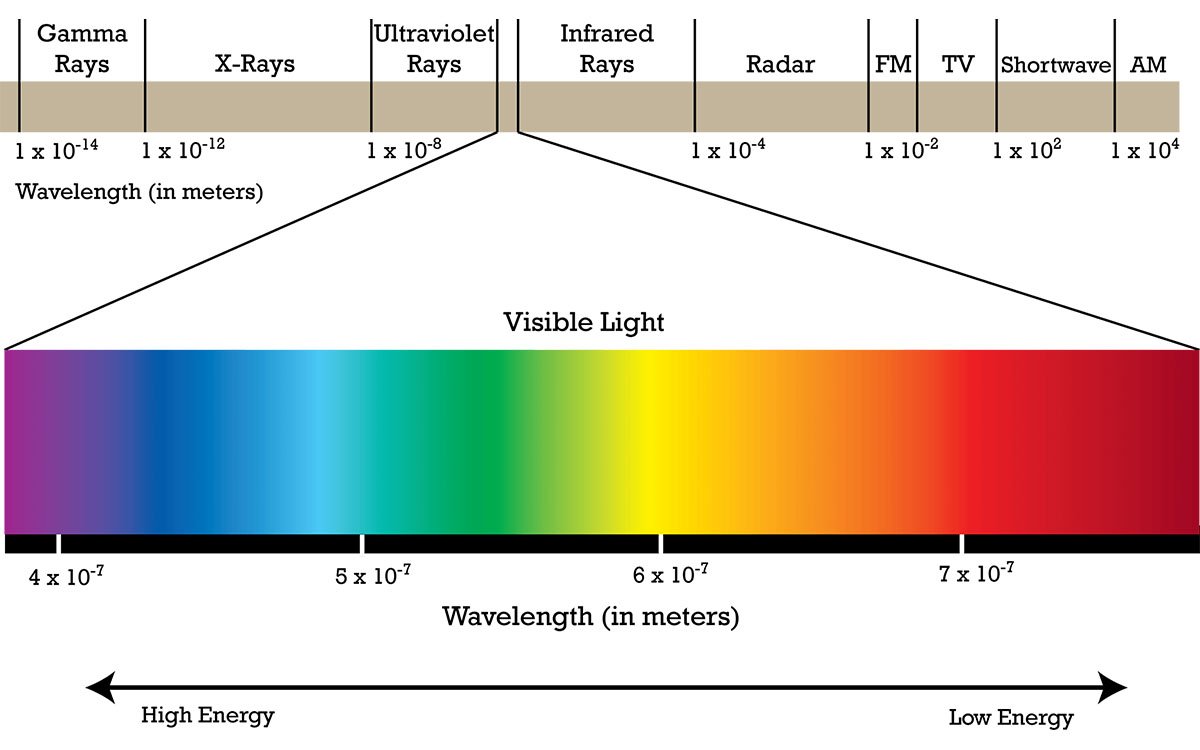
Indoor displays typically require 600–1,500 nits, while outdoor installations need 4,500–7,000+ nits to remain visible in direct sunlight. Consider automatic brightness sensors that adjust output based on ambient conditions, reducing energy consumption and extending panel lifespan.
600–1500 nits 4500+ nits Auto-Sensing
Refresh rate and visual quality comparison
04

Refresh Rate & Visual Quality

Refresh rate (Hz) determines how smoothly motion is rendered. Standard displays run at 1920Hz; broadcast and event applications demand 3840Hz–7680Hz to eliminate flicker on camera. For environments with video content or live broadcast feeds, higher refresh rates are essential for professional-grade visual quality.
1920Hz 3840Hz 7680Hz
Installation and maintenance considerations
05

Installation & Maintenance

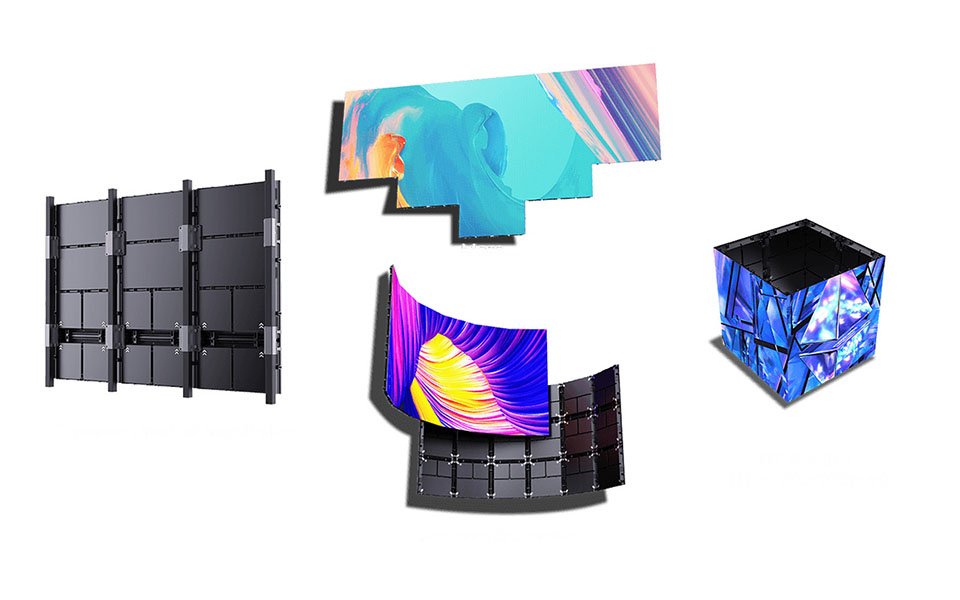
Evaluate mounting options: wall-mounted, floor-standing, suspended, or rental-grade. Consider front vs. rear access for service — front-serviceable LED display reduces maintenance costs in tight spaces. Factor in spare parts availability, module replacement ease, and the manufacturer’s warranty and support coverage.
Front Service Rear Access 3–5 Year Warranty
Budget and total cost of ownership analysis
06

Budget & Total Cost of Ownership

Beyond the initial purchase price, consider energy consumption, maintenance costs, and expected lifespan (100,000+ hours is industry standard). Higher-quality displays with GOB encapsulation and efficient power supplies often deliver lower total cost of ownership over 7–10 years, making them the smarter long-term investment.

100,000 hrs Energy Efficient ROI Calculator
FAQ

Common Questions - LED Display Buying Guide

Get answers to the most frequently asked questions on LED display calculator or about selecting, installing, and maintaining LED displays — from pixel pitch to total cost of ownership. To get detailed information about our LED display buying guide service or want to know more on LED display purchase guide, follow the belowing faqs.

P0.7-P2.9 (ultra small spacing): suitable for high-end conference rooms, command centers, studios, and monitoring centers, but at a high cost.

P3-P4 (regular indoor): suitable for stage background, large exhibition hall, long-distance indoor advertising, significant cost advantage when the area is large.

P5-P10+(outdoor/long-distance): suitable for outdoor billboards, square screens, and building facades require high brightness waterproofing and visible granular texture up close.

Indoor displays typically require 500–1,500 nits, which is sufficient for controlled lighting environments.
Outdoor displays need 4,500–10,000+ nits to remain visible in direct sunlight. Look for auto-brightness sensors that adjust output based on ambient conditions — this reduces energy consumption and extends panel lifespan.
For more project design, to use above LED display calculator to form your cabinet array.
1920Hz is sufficient for general low cost signage. For broadcast, live events, and virtual production, choose 3840Hz–7680Hz to eliminate flicker on camera and ensure smooth motion rendering.
Higher refresh rates are essential if you're shooting slow-motion content or using the display as a video backdrop.
Special request on LED display buying guide about GOB (Glue-On-Board), which is a protective coating applied to LED modules that shields against moisture, dust, and physical impact. It extends panel lifespan by up to 40% compared to standard SMD modules, reduces pixel failure rates, and maintains color uniformity over time. GOB is especially recommended for outdoor, high-traffic, and rental applications.
Front-service LED displays allow LED module replacement from the front — ideal for tight installations where rear access is limited (e.g., wall-mounted in corridors). Rear-service displays require access from behind and are better suited for outdoor billboards and rental staging where servicing space is available. Consider long-term maintenance costs when making your choice.
Industry-standard LED panels are rated for 100,000+ hours — equivalent to over 11 years of 24/7 operation. Factors that extend lifespan include: GOB encapsulation, efficient thermal management, proper calibration, and routine cleaning. Most manufacturers offer 3–5 year warranties with optional extended coverage. Total cost of ownership should be evaluated over a 7–10 year horizon, for more LED display buying guide services, contact us freely.
Buying Guide

Ready to Make Your LED Display Investment?

Whether you're outfitting a control room, retail space, or outdoor billboard — our experts will help you select the right pixel pitch, brightness, and configuration for your specific needs. The LED display buying guide only for your reference. Contact us to get a personalized recommendation within 48 hours.

Quick Inquiry